630-462-9500
After Hour New Client Telephone Number 630-690-6077
1776 S. Naperville Road, Building B, Suite 202,
Wheaton, IL 60189

-

- Home
- Firm Overview
- Attorneys
- Practice Areas
- Divorce
- What To Expect During Your Divorce
- How To Choose A Divorce Attorney
- Divorce Planning
- Protecting Your Credit During Divorce
- Settlement Vs. Trial
- Alimony / Maintenance
- Unallocated Alimony
- Taxes and Divorce
- Distribution of Marital Property
- Dissipation of Assets
- Retirement Plans, IRAs And QDROs
- International & Interstate Divorce
- Post Divorce Modifications & Enforcement
- Divorce FAQs
- High Net Worth Divorce
- Child Custody
- Child Support
- Collaborative Law
- Mediation
- Family Law
- Appeals
- Criminal Representation
- Divorce
- Testimonials
- Media
- Blog
- Contact

My Spouse is Refusing to Sign the Divorce Papers. What Should I Do?
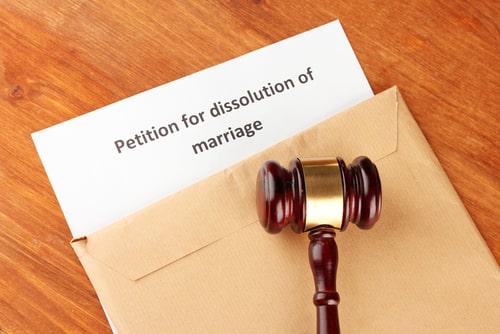 With any divorce, emotions can run very high. In some cases, a spouse may flat-out refuse to sign any papers related to the divorce. This may come from their belief that refusing to sign will result in the matter being put to rest. However, this is not the case. In Illinois, there are solutions if your spouse refuses to sign divorce papers.
At The Stogsdill Law Firm, P.C., our Wheaton, IL family law attorneys have over a century of combined legal experience. Since our firm first opened its doors, we have helped numerous clients through difficult divorces. If needed, we can pursue a default divorce on your behalf to keep the legal proceedings moving.
Reasons Why Spouses Avoid Signing Divorce Papers in 2026
Some people avoid signing because they think it will stop the case. Others worry that signing means they agree with everything in the petition, including requests about parenting time, child support, or property.
Delay can also be a strategy. An uncooperative spouse may be trying to keep the other person stuck, hoping they will give up, accept worse terms, or run out of money. In other situations, the spouse may be overwhelmed, depressed, or embarrassed, and ignoring paperwork feels easier than facing the reality of the divorce.
Some people refuse to sign because they do not trust the process. They may believe the court system is unfair, or they may have had bad experiences with lawyers or prior cases. Others avoid signing because they want to "win" by forcing a fight, even when a cooperative approach would save time and stress.
Legal Requirements to Get Divorced in Illinois
Illinois is a no-fault divorce state. That means the court does not require you to prove cheating, cruelty, or another form of misconduct to get divorced. Instead, the legal ground is "irreconcilable differences." In plain terms, the marriage has broken down, and repair is not realistic (750 ILCS 5/401).
Spouses can agree to divorce on the grounds of irreconcilable differences. Otherwise, the court will assume there are irreconcilable differences if the spouses remain separate for six months. This does not always mean separate homes. In some cases, spouses can live separate and apart under the same roof if they are no longer acting as a married couple.
If the six-month separation is met, the court can move forward even if one spouse does not want the divorce. Illinois law does not require both spouses to agree to end the marriage. One spouse can file, and the case can proceed through service, deadlines, and hearings. The key is following the rules and meeting the required proof in court.
Serving an Uncooperative Spouse With Divorce Papers
Before a court can do anything meaningful, your spouse must receive notice of the case. That is what "service of process" is for. The court needs proof that your spouse was properly served, or properly notified by an approved alternative method.
Most divorces begin with personal service. A sheriff or professional process server delivers the papers to your spouse. If your spouse tries to dodge service, the server may make multiple attempts. Courts often want to see when and where attempts were made, and why the spouse could not be personally served.
If personal service fails, you may have other options, but you must do them in the right order. You may be able to serve by special appointment, by leaving papers with another adult at the spouse’s home in certain circumstances, or by other methods allowed by the court.
If you truly cannot find your spouse after diligent efforts, you can ask the court for permission to use publication or another alternative form of notice. Judges do not grant that casually. You generally need to show you have made a real search effort, such as checking known addresses, contacting family members when appropriate, or using other practical methods to locate the person. Default divorce is not the first step. It comes later, after proper service and missed deadlines.
What to Do if Your Spouse Refuses to Have Any Part in the Divorce Process
In Illinois, you can file a petition for the dissolution of your marriage even if your spouse refuses to consent or sign any papers. Once you have filed the petition, your spouse will be served and will then be able to file an answer to your petition. Your spouse will need to respond to the petition within 30 days. If he or she fails to meet the 30-day deadline, you will be able to file a motion for default.
What Happens at a Hearing for a Default Divorce?
Even if your spouse does not show up, the judge still needs enough information to enter orders. You usually must prove that the spouse was properly served and that the time to respond has passed. You also must present basic facts about the marriage and the requests you are making.
If the case involves children, the court will focus on what is in their best interests. You may need to present a proposed parenting plan, child support calculations, and clear information about each parent’s situation. Judges often ask questions, even in default cases, because parenting orders can affect a child for years.
For property and debts, you will typically present information about assets, retirement accounts, real estate, vehicles, and liabilities. You may also address maintenance if you are requesting it. The judge may want to know what you are asking for and why it is fair, especially when the other spouse is not present to respond.
Default does not mean you automatically get everything you asked for. It means the court can proceed without the other spouse’s participation, but the orders still need a legal basis and enough evidence to support them.
Do I Still Need a Lawyer in a Default Divorce?
Many people assume a default divorce is "simple," but uncooperative spouses often create the hardest cases. Service problems, missed deadlines, and unclear finances can quickly turn a case into a mess. A lawyer can help you build a clean record, follow court rules, and avoid mistakes that cause delays or force you to start over.
A lawyer can also help you present the right evidence at the default hearing. Judges expect specific details. If your paperwork is incomplete or your requests are not supported, the judge can continue the hearing, deny parts of your request, or require more proof.
Even after a default, your spouse may later try to challenge parts of the judgment. That can happen if there is a claim of improper service, lack of notice, or other serious issues. Having a lawyer involved from the start can reduce the risk of a result that becomes unstable later.
Contact a DuPage County, IL Divorce Attorney
Your spouse can’t stop a divorce from happening simply by refusing to participate. If you need help pursuing a default divorce, don’t hesitate to reach out to our firm today. Contact the experienced Wheaton, IL family lawyers with The Stogsdill Law Firm, P.C. for skilled legal counsel. Call 630-462-9500 for a private consultation.












Contact Us To Schedule A Consultation With An Attorney At Our Firm
Call 630-462-9500 or provide your contact information below and we will get in touch with you:
The Stogsdill Law Firm, P.C.
1776 S. Naperville Road, Building B, Suite 202Wheaton, IL 60189630-462-9500